


Blog
BGAN Antennas: Reliable Internet Where Nothing Else Reaches
BGAN antennas are designed to deliver satellite connectivity in environments where terrestrial networks are unavailable or unreliable. They are used across offshore operations, marine vessels, and remote field deployments where consistent communication is required for coordination, safety, and data transmission.
This page explains how BGAN antennas function, how they integrate with satellite terminals, and how to select the right configuration for marine, offshore, and remote operational use.
What a BGAN Antenna Does in Remote Environments
A BGAN antenna establishes a communication link between the terminal and the satellite network. It is responsible for transmitting and receiving signals that enable voice and data connectivity in areas without infrastructure.
In remote environments, the antenna must maintain a stable connection despite environmental factors such as movement, weather, and terrain. Signal quality and alignment directly affect communication performance, making antenna selection and positioning critical for reliable operation.
How BGAN Terminals and Antennas Work Together
A BGAN antenna operates as part of a complete system that includes the terminal and user interface. The antenna connects to the satellite, while the terminal processes the connection and enables communication.
Satellite Connectivity Without Ground Infrastructure
BGAN systems connect directly to satellite networks, allowing communication to continue independently of land-based systems. Inmarsat’s overview of the BGAN network explains how BGAN supports portable voice and data communication through satellite infrastructure. This capability is essential for offshore and remote operations where no alternative communication infrastructure exists.
The antenna ensures that the system maintains a consistent satellite link, allowing data and communication to flow without interruption.
Explorer 710 and High-Performance BGAN Terminals
The Explorer 710 is a widely used BGAN terminal designed for high-performance satellite communication. It is used alongside compatible antennas to deliver stable connectivity for applications that require reliable data transmission.
Systems built around terminals such as the Explorer 710 are used in offshore operations, emergency response, and remote field deployments where communication cannot be compromised.
BGAN Antennas in Marine Communication Systems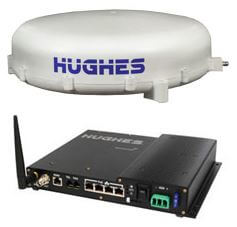
BGAN antennas play a central role in marine communication systems by providing connectivity beyond coastal coverage. They allow vessels to maintain communication with onshore teams, access operational data, and coordinate activities across distances.
Within marine communication systems, BGAN antennas work alongside technologies such as NAVTEX receivers and AIS. While NAVTEX provides broadcast safety information, BGAN systems enable active communication, allowing vessels to send and receive data in real time.
This combination supports both safety and operational communication requirements in offshore environments.
Compatibility with Maritime and Field Communication Equipment
BGAN antennas must integrate with a range of communication systems to function effectively. This includes satellite internet terminals, vessel communication systems, and field communication equipment used in remote operations.
Compatibility ensures that the antenna operates as part of a broader communication setup. Systems that align with standard protocols are easier to integrate, reducing complexity during deployment and improving long-term reliability.
Integration also supports redundancy, allowing multiple communication systems to operate together and maintain connectivity if one system becomes unavailable.
Choosing the Right BGAN Antenna
Selecting a BGAN antenna requires consideration of how and where it will be used. The correct system depends on environmental conditions, performance requirements, and integration needs.
Deployment Environment and Portability
Different operations require different antenna configurations. Portable systems are suited to field teams and temporary deployments where mobility is required. Fixed installations are more appropriate for vessels and offshore platforms where long-term use is expected.
The antenna must be capable of operating reliably within the physical conditions of the environment.
Data Requirements and Performance Expectations
The level of data transmission required influences antenna selection. Applications involving monitoring, reporting, or continuous communication require systems that can support consistent performance.
Ensuring that the antenna meets the required performance level prevents communication limitations during operation.
Integration with Existing Communication Systems
A BGAN antenna must integrate with existing communication systems, including terminals, onboard equipment, and operational platforms. Compatibility reduces setup complexity and ensures that all components function together effectively.
Systems designed with standard interfaces support easier integration and more reliable operation over time.
Use Cases for BGAN Antennas Across Industries
BGAN antennas are used in marine operations, offshore industries, defence environments, and remote field deployments. In each case, the requirement is the same: reliable communication without dependence on infrastructure.
Marine operators use BGAN systems to maintain vessel communication and coordinate with shore-based teams. Offshore industries rely on them for monitoring and reporting. Field teams use them to maintain connectivity in remote locations where other systems are not available.
These use cases demonstrate the flexibility of BGAN systems across different operational environments.
Reliability and Performance in Harsh Conditions
BGAN antennas are built to operate in environments where conditions are unpredictable. They must maintain signal stability despite exposure to weather, movement, and extended use.
Performance depends on both the design of the antenna and its correct deployment. Proper positioning and configuration ensure that the system maintains a stable connection to the satellite network.
Equipment used in professional applications is designed to meet these demands and provide consistent communication under operational stress.
BGAN Antennas in Australia and Offshore Operations
Australia includes extensive remote and offshore regions where communication infrastructure is limited. BGAN antennas are used to support operations across these environments, including maritime activity, remote land-based work, and offshore industries.
Their ability to provide consistent satellite connectivity makes them a critical component of communication systems used in Australian and offshore operations.
Selecting BGAN Antennas for Reliable Operational Connectivity
BGAN antennas support communication where infrastructure is not available. Their role within satellite communication systems enables consistent connectivity across marine, offshore, and remote environments.
Selecting the right antenna depends on operational requirements, environmental conditions, and system compatibility. For technical buyers, the priority is ensuring that the system performs reliably in real-world conditions.
Satellite World Store supplies BGAN antennas and supporting communication equipment suited to professional applications. For product enquiries, system selection, or technical guidance, contact the team to identify suitable solutions for your operational requirements.
FAQs
What is a BGAN antenna used for?
A BGAN antenna is used to provide satellite voice and data connectivity in areas where standard mobile or internet networks are unavailable. It is commonly used for offshore operations, marine vessels, emergency response, remote field deployments, and operational data transfer in isolated locations.
How does a BGAN antenna connect to a satellite?
A BGAN antenna connects to a satellite by establishing a direct signal link with the satellite network. The antenna sends and receives signals between the BGAN terminal and the satellite, allowing users to access internet, voice, email, and other communication services without relying on ground-based infrastructure.
Can BGAN antennas be used on vessels?
Yes, BGAN antennas can be used on vessels when the equipment is suitable for marine and offshore conditions. They help vessels maintain communication beyond coastal network coverage, allowing crews to coordinate with onshore teams, access operational data, and support safety communication requirements.
What is the difference between a BGAN terminal and antenna?
The difference between a BGAN terminal and a BGAN antenna is that the terminal manages the satellite communication system, while the antenna establishes the satellite signal link. In many portable BGAN systems, the antenna is built into the terminal, while some setups use external or compatible antenna configurations for specific operational requirements.
Do BGAN antennas require line of sight to operate?
Yes, BGAN antennas require a clear line of sight to the satellite to operate reliably. Obstructions such as buildings, trees, terrain, vessel structures, and heavy equipment can weaken or block the signal, so correct positioning is essential for stable satellite connectivity.