


Blog
Barrett 2050 Review: Barrett 2050 vs the Rest – Who Comes Out on Top?

When buyers search for a Barrett 2050 review, they are not casually browsing. They are usually comparing HF radios because mobile coverage has already failed them once, or because they are planning travel or operations where failure is not acceptable.
In Australia, HF radio remains one of the most dependable forms of long-range communication. The real decision is not whether HF is necessary, but which HF radio delivers consistently in Australian conditions.
The Barrett 2050 Series is frequently positioned as the benchmark. This in-depth comparative review examines how it performs against other HF radios, where it clearly leads, and who it is genuinely built for.
Quick Wins: Why the Barrett 2050 Is Always Shortlisted
Buyers comparing HF radios tend to narrow their options quickly. The Barrett 2050 repeatedly makes the shortlist because it offers:
- Australian-designed engineering for local conditions
- A long track record across remote, marine, and emergency use
- Compact size without sacrificing HF performance
- Compatibility with established Australian HF networks
- Ongoing local support, servicing, and parts availability
For serious buyers, these factors matter more than headline specifications.
What Is the Barrett 2050 Series?
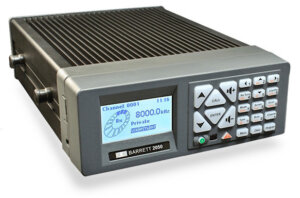
The Barrett 2050 is a professional-grade HF transceiver produced by Barrett Communications, a company with decades of experience supplying HF systems across Australia and internationally.
Unlike many HF radios designed overseas and adapted for Australian use, the 2050 was engineered with Australia’s geography and operating environment in mind. That includes:
- Extremely long communication distances
- High ambient temperatures
- Dust, vibration, and constant vehicle movement
- Variable HF propagation conditions
It is widely used by remote travellers, four-wheel-drive owners, pastoral operations, mining fleets, marine users, and emergency organisations.
Barrett 2050 vs Other HF Radios: Where the Real Differences Appear
Australian Engineering vs Imported Designs
One of the clearest distinctions between the Barrett 2050 and many competing HF radios is design intent.
A large number of alternative HF radios are:
- Developed for amateur radio markets
- Designed for regions with shorter distances
- Less focused on continuous mobile operation
The Barrett 2050, by contrast, is purpose-built for Australian terrain. This results in more stable output power, consistent antenna tuning, and better resistance to electrical noise generated by modern vehicles.
For buyers comparing HF radios, this difference becomes apparent not on paper, but after months or years of use.
Audio Clarity Under Marginal Conditions
HF radio performance is often judged by how well it works when conditions are poor, not when they are ideal.
The Barrett 2050 delivers:
- Clear, intelligible transmit audio
- Strong receive sensitivity for weak or distant signals
- Effective noise reduction in high-interference environments
Users who compare HF radios side by side frequently report that speech through the 2050 is easier to understand, particularly during fading, atmospheric noise, or long-distance contacts.
Compact Design Without Sacrificing Capability
Vehicle installation is a major consideration for HF radio buyers. Older HF radios can be bulky, difficult to mount, or intrusive in modern dashboards.
The Barrett 2050’s compact form factor allows installation in:
- Modern 4WD vehicles
- Dual-cab utilities
- Fleet and commercial vehicles
Despite its size, it remains a full-featured HF transceiver capable of handling demanding communication requirements. This balance between size and performance is a key reason it outperforms many alternatives in real-world comparisons.
Reliability That Is Proven, Not Promised
HF radios are long-term investments. Buyers expect them to operate reliably for many years, often in remote locations where repairs are not simple.
The Barrett 2050 has been used extensively across Australia for:
- Remote traveller safety networks
- Commercial dispatch and coordination
- Emergency and disaster response
This long service history demonstrates not only the durability of the hardware, but also ongoing manufacturer commitment to support and compatibility. Many buyers choose the 2050 precisely because it is a known quantity.
Compliance and Network Compatibility in Australia
One area where the Barrett 2050 consistently outperforms lesser-known HF radios is compliance.
In Australia, radio communications are regulated by the Australian Communications and Media Authority, which manages spectrum allocation, licensing, and operational standards for HF radio services nationwide. HF radio continues to play a recognised role in long-distance and remote communications, making compatibility with Australian regulatory requirements and established networks essential for reliable operation.
It is designed to operate within Australian HF standards and integrates smoothly with established HF networks used for:
- Remote area safety communications
- Emergency call-ins
- Scheduled network monitoring
Buyers comparing HF radios should be cautious of imported units that may technically transmit but lack proper compatibility or local support for Australian requirements.
Ease of Use When It Matters Most
HF radios are often used during stressful situations. In those moments, overly complex interfaces become a liability.
The Barrett 2050 prioritises practical usability through:
- Logical menu structures
- Straightforward channel and frequency management
- Reliable automatic antenna tuning
- Intuitive microphone and handset controls
This focus on clarity reduces operator error and improves communication reliability when it matters most.
Cost vs Value: Understanding the Price Difference
The Barrett 2050 is not positioned as a budget HF radio. Buyers comparing prices will notice this immediately.
However, lower-cost HF radios often involve compromises such as:
- Reduced durability
- Limited Australian support
- Inconsistent compatibility with local networks
- Shorter product lifecycles
For travellers, commercial operators, and emergency users, the 2050’s higher upfront cost often translates into lower long-term risk and fewer failures over time.
Who Is the Barrett 2050 Best Suited To?
The Barrett 2050 is ideal for buyers who:
- Operate or travel in remote areas regularly
- Require dependable long-range communication
- Prefer Australian-made equipment
- Value proven reliability over experimental features
It is less suited to casual users looking to experiment with HF purely as a hobby.
Common Questions Buyers Ask When Comparing HF Radios
Is the Barrett 2050 still relevant compared to newer models?
Yes. While newer HF radios exist, the 2050 continues to meet Australian operational requirements and remains widely supported.
Is installation difficult?
Its compact design often makes installation easier than larger HF units, particularly in modern vehicles.
Is long-term support available in Australia?
Yes. Local servicing, accessories, and technical support remain a major advantage of the Barrett ecosystem.
Can it be relied on for emergency communication?
Yes. This is one of the primary reasons it continues to be chosen by experienced remote travellers and professionals.
Final Verdict: Barrett 2050 vs the Rest
When buyers compare HF radios seriously, specifications alone rarely determine the outcome. Reliability, clarity, compliance, and long term support matter far more once you leave populated areas behind.
For those asking “Barrett 2050 vs the rest, who comes out on top?” the answer is clear when dependable communication is the priority.
The Barrett 2050 remains a reference standard in Australian HF radio, not because it is the newest, but because it continues to work where it counts most. For buyers seeking proven HF radio solutions backed by local knowledge and support, Satellite World Store remains a trusted source for Barrett communications equipment.