


Blog
5 Times the Barrett 2050 Proved It’s Built for the Toughest Jobs
HF radio durability isn’t a slogan. In remote Australia and high-risk field operations, it’s a practical requirement. When communications fail, projects stall, safety is compromised, and decision-making slows to a crawl. The Barrett 2050 Series has built its reputation in environments where reliability is tested every single day, not in labs, but in the field.
This article explores five real-world conditions where the Barrett 2050 HF radio has repeatedly proven it is engineered for the toughest jobs. It also explains why remote workers and NGO field staff continue to rely on this platform long after newer technology has entered the market.
Quick Wins: Why the Barrett 2050 Still Matters
- Designed specifically for harsh, remote operating environments
- Proven HF radio durability across Australia and international deployments
- Performs reliably without mobile, internet, or satellite infrastructure
- Long service life with low maintenance requirements
- Trusted by NGOs, government agencies, and remote operators
For teams operating beyond the edge of coverage, these factors matter more than features lists.
1. Continuous Operation in Extreme Heat and Dust
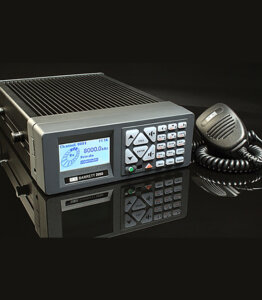
Remote field operations don’t allow for ideal conditions. Vehicles are parked under direct sun, equipment runs for hours at a time, and dust finds its way into everything. In these environments, many radios fail gradually — audio degrades, power output drops, or units shut down entirely due to heat stress.
The Barrett Communications Barrett 2050 has repeatedly demonstrated its ability to operate in extreme heat and fine dust without compromising performance. Its internal layout prioritises airflow, thermal stability, and component separation, allowing it to maintain output even during prolonged transmission cycles.
For NGO field staff managing logistics, healthcare delivery, or humanitarian coordination, this reliability is critical. Communications often occur at fixed times each day, regardless of weather or vehicle conditions. A radio that overheats or becomes unreliable creates risk, not inconvenience.
Durability takeaway: The Barrett 2050 continues to operate when heat and dust would disable less robust equipment.
2. Vibration and Vehicle Shock in Remote Transport
Few environments are harder on electronics than constant off-road travel. Corrugated roads, rocky tracks, river crossings, and uneven terrain subject vehicle-mounted equipment to relentless vibration and shock.
The Barrett 2050 has proven its resilience in vehicles that spend years operating far from sealed roads. Its mechanical design, mounting systems, and internal reinforcement reduce stress on connectors, circuit boards, and power components. This means fewer intermittent faults — the kind that are hardest to diagnose in the field.
For remote workers who depend on HF radio as their primary communications link, reliability during movement is essential. Calls are often made while vehicles are in transit, coordinating convoys or reporting progress across long distances.
Durability takeaway: Built to survive years of movement, not occasional trips.
3. Reliable Long-Distance Communication Without Infrastructure
Physical toughness is only one part of HF radio durability. Operational reliability matters just as much. In many regions, mobile networks don’t exist, internet access is unavailable, and satellite phones can be unreliable due to terrain, canopy, or cost constraints.
According to the International Telecommunication Union, radio communications, including HF systems, are essential in emergency and disaster relief operations when conventional telecommunications infrastructure is disrupted or unavailable, because they can provide reliable links without relying on fixed networks or satellites.
The Barrett 2050 continues to deliver dependable long-distance communication across thousands of kilometres using HF radio networks. This allows teams to maintain scheduled check-ins, transmit critical updates, and request assistance without relying on third-party infrastructure.
For NGOs operating in disaster response or remote development projects, this independence is vital. HF radio provides a communication backbone that remains functional when other systems are unavailable or overloaded.
Durability takeaway: The radio remains effective even when modern networks fail or don’t exist.
4. Long Service Life With Minimal Maintenance
One of the strongest indicators of durability is longevity. Many Barrett 2050 units still in service today have been operating for well over a decade. That level of service life is increasingly rare in modern communications equipment.
The 2050 was designed at a time when radios were expected to be maintained, not replaced. Components are robust, firmware is stable, and common failure points are minimised. When servicing is required, it can often be performed without specialised or proprietary tools.
For NGOs and remote operations with constrained budgets, this matters. A radio that lasts longer reduces replacement cycles, simplifies training, and ensures continuity across teams and projects.
Durability takeaway: Designed for long-term ownership, not short-term deployment.
5. Trusted in High-Risk, Mission-Critical Roles
Perhaps the most compelling evidence of the Barrett 2050’s durability is where it continues to be used. Field teams operating in high-risk environments don’t tolerate unreliable communications. Equipment that fails under pressure is quickly removed from service.
The Barrett 2050 has earned trust in roles where communications are directly tied to safety, coordination, and operational success. This includes humanitarian missions, remote infrastructure projects, exploration work, and emergency response operations.
Trust like this isn’t built through specifications alone. It comes from consistent performance over time, across different conditions, and in situations where failure carries real consequences.
Durability takeaway: Chosen by professionals who cannot afford communications failure.
Why the Barrett 2050 Series Still Holds Its Value
Despite the availability of newer HF radios, the Barrett 2050 remains relevant because its core strengths align with real-world operational needs. Its physical robustness, dependable HF performance, and straightforward operation make it well-suited to demanding environments.
When paired with correct antenna systems, professional installation, and appropriate power management, the 2050 continues to deliver reliable results. Many organisations choose to keep these radios in service rather than replace them with newer but less proven alternatives.
In remote operations, proven performance often matters more than the latest feature set.
Questions Remote Operators Ask About the Barrett 2050
Is the Barrett 2050 still suitable for modern remote operations?
Yes. While newer models offer additional features, the 2050’s core HF performance and durability remain highly effective when properly installed and maintained.
Can the Barrett 2050 be used by NGOs and humanitarian teams?
Yes. Its independence from infrastructure and long service life make it particularly well-suited to NGO field deployments.
How does the Barrett 2050 compare to satellite phones?
HF radio provides network-independent communication without per-minute costs, making it ideal for regular scheduled contact over large areas.
Does installation affect durability?
Absolutely. Professional installation improves vibration resistance, electrical stability, and long-term reliability.
Is the Barrett 2050 difficult to operate?
No. Its interface is straightforward, and most operators become proficient with basic training.
The Bottom Line
The Barrett 2050 Series didn’t earn its reputation through marketing claims. It earned it through years of real-world use in environments that expose weaknesses quickly.
For remote workers and NGO field staff who need communications that endure heat, dust, vibration, and isolation, the Barrett 2050 remains a proven and trusted HF radio solution. When conditions are unforgiving and failure isn’t an option, experience still counts and this radio has plenty of it.
For reliable Barrett HF radio systems and expert advice on choosing the right communications equipment for demanding environments, Satellite World Store offers products and support backed by field-tested performance and long-term reliability.
